Ask each of your committed donors one question: How do you like to be thanked? Log the answer in your CRM, then build a simple no-ask touch cadence around it: a quarterly check-in for your top donors, personalized to their preferences, with no money attached. It is the cheapest retention move you can make this week.
Most stewardship advice tells you to thank donors more. Useful, but it skips the question that makes thanking actually work: how does this specific donor want to be thanked in the first place? Learning how to ask donors how they want to be thanked, and then acting on the answer, turns generic gratitude into something a donor actually feels. This is a step-by-step playbook for doing it, even on a lean development team.
The idea comes from Patrick Kirby of Do Good Better Consulting, who calls it the best question almost no one asks. If you know how a donor likes to be appreciated, he says, your stress about how to navigate them drops to zero. You stop guessing and start delivering the right gesture every time.
Why ask donors how they want to be thanked?
Because the wrong thank-you can do more harm than none at all. Send a donor who hates clutter another branded mug and the message they receive is: you do not know me. Send a handwritten note to someone who treasures words of affirmation and you have deepened the relationship for the price of a stamp.
Asking removes the guesswork and signals that you see the person, not the pocketbook. It is also the foundation of a stewardship system you can actually sustain, because you are no longer inventing a new gesture every time. You are following a plan the donor helped you write.
There is a competitive edge here, too. Your donors are almost certainly giving to other organizations as well, and most of those organizations are guessing at what their supporters want. The moment you can thank a donor in exactly the way they prefer, you stand out from every group that is still sending the same generic acknowledgment to everyone. You become the organization that clearly pays attention, and attention is what keeps a donor choosing you.
What exactly should you ask, and when?
Keep it short and human. The next time you are talking with a committed donor, by phone or in person, ask some version of this:
"You have been so generous to us. I want to make sure we thank you in a way that actually feels good to you, not just in a way that is convenient for us. So I have to ask: how do you like to be thanked?"
Then stop talking and listen. Some people will say a quick note means everything. Others want to hear the concrete impact of their gift. A few will tell you they would rather you spend nothing on them at all, which is its own valuable answer. Pair it with a second question about channel: do they prefer a call, a text, an email, or a letter? Now you know both what and how.
Ask this of your most loyal donors first. They have earned the attention, and their answers will teach you the most.
How do you keep in touch without always asking for money?
Many fundraisers hesitate here because they assume any outreach reads as a solicitation. It does not have to. If a donor ever says "don't send me anything," what they usually mean is "don't keep soliciting me," not "never contact me." You can ask permission to stay in touch in a way that takes the ask off the table entirely.
Try this: "I am a little obsessed with sending people updates on the good their gifts are doing, and I promise I am not going to ask you for anything. Is it okay if I just check in now and then to let you know the impact you are part of?" Almost everyone says yes.
From there, your no-ask touches can be as simple as:
- A two-line text: "Thought of you today, saw something that reminded me of our conversation about X. Hope you are well." No ask attached.
- A quick voicemail just to say thank you and share one concrete result their giving made possible.
- A short note tied to something personal you know about them, not the calendar.
- A forwarded article or photo connected to a specific interest they mentioned.
The point is contact that has nothing to do with fundraising. As Patrick put it, you are one human connecting with another, and if your organization happens to be part of that connection, you are well on your way to being a great fundraiser.
What should you track in your CRM to make this work?
A preference is only useful if you can find it again. Treat your CRM as a relationship tool, not a data lake, and capture a handful of fields for every committed donor. In DonorDock you can store all of this on the donor's record using custom fields and notes, so it travels with the donor and is not trapped in one person's memory.
- Last meaningful contact. The date and a one-line summary of the last real conversation, not just the last automated receipt.
- Thank-you preference. Exactly how they told you they like to be appreciated.
- Communication preference. Call, text, email, or mail, so you reach them where they actually pay attention.
- Giving rhythm. Flag donors who give more than once a season. Repeat giving is a signal you are doing something right and a cue to deepen, not relax.
- One thing that has nothing to do with money. A genuine, specific detail about the person. Patrick's mentor told him you never ask for a major gift until you know the name of the donor's dog. Capture the dog's name.
That last field is the difference between small talk and real knowledge. You earn those details by asking good questions and actually listening, then writing them down before you forget. Over time, this becomes your unfair advantage when a donor is deciding which organization to deepen with.
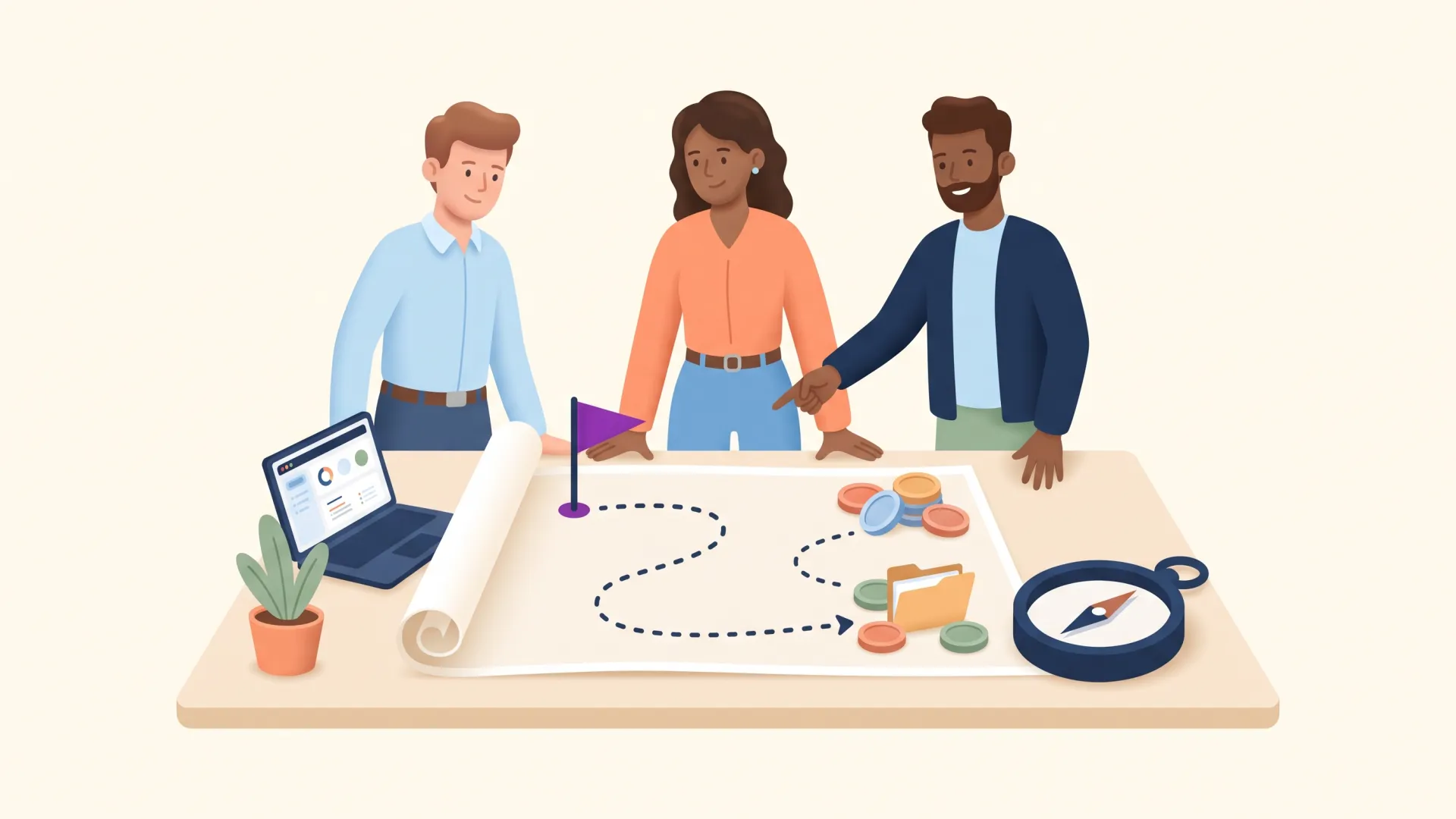
How do you build a quarterly no-ask touch cadence?
Turn all of this into a rhythm you can keep.
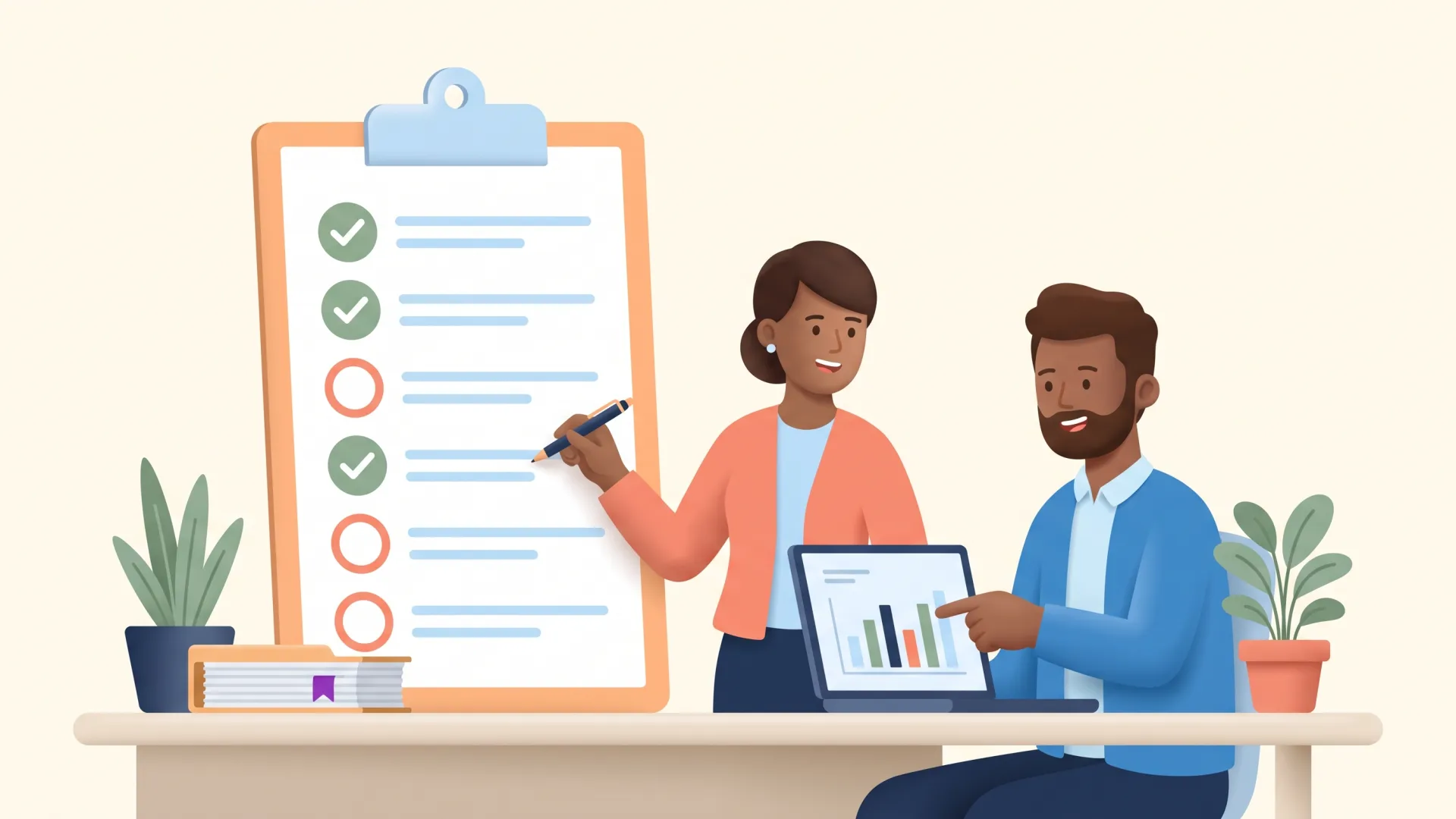
- Pick your top 25. Start with your most committed or highest-capacity donors. A focused list you actually work beats a giant list you ignore.
- Commit to four touches a year, per donor. Once a quarter, reach out with a thank-you, an update, or a personal note. None of them are asks.
- Match the touch to their preference. Use the fields you logged so each contact lands the way that donor likes.
- Put it on a calendar and set reminders. Use DonorDock's Action Board to turn each planned touch into a dated task so it does not slip. The system holds the schedule so you do not have to.
- Log every touch as you go. Update the last-contact field immediately. Next quarter, you will know exactly where you left off.
Twenty-five donors, four light touches a year, is one hundred meaningful contacts. It is completely doable even when you are wearing every hat in the building, and it is the kind of consistent care that quietly drives retention and keeps donors from lapsing in the first place.
Here is what a single donor's year might look like once you have their preferences logged. In January, you mail a short handwritten note because she told you she loves words of affirmation. In April, you call with one concrete result her gift helped make possible, no ask. In July, you forward a short article tied to the interest she mentioned at the gala, with a line about how it made you think of her. In October, you send a brief impact update before year-end giving season even begins. By the time you do make an ask, you have spent the whole year showing her she is known. The ask lands as the natural next step in a relationship, not a cold interruption.
Notice that none of those four touches required a big budget or a big team. They required a plan and a place to keep your notes. That is the whole game.
What can you do this week to start?
You do not need a new system to begin. You need one good phone call. Here is a five-step start:
- Pull your list of donors who have given more than once. These are your warmest relationships.
- Pick five. Add the thank-you and communication preference fields to their records now, even if blank.
- Call one of them today, with no ask, just to say thank you and share one impact. Ask how they like to be thanked.
- Write the answer in your CRM the moment you hang up, plus one personal detail you learned.
- Schedule the next touch as a task in your CRM so the relationship has a next step, not a dead end.
Pick up the phone. Let the CRM do the back-end work of finding the number, surfacing the notes, and reminding you who is due, so you are free to just have a good conversation. If you want a system that can do this for you, consider DonorDock which has all of this built into one place. The relationship is the work. Everything else is just support for it.