TL;DR: A donor recruited by a friend gave because of that person, not the cause, so they're primed to give again right after that first gift. That fades fast if the next thing they hear is the same annual appeal everyone else gets. A faster, more specific follow-up, one that names the person and the event, is what keeps that relationship (and the recruiter's) going.
Think about the last time you gave to a cause you didn't know much about.
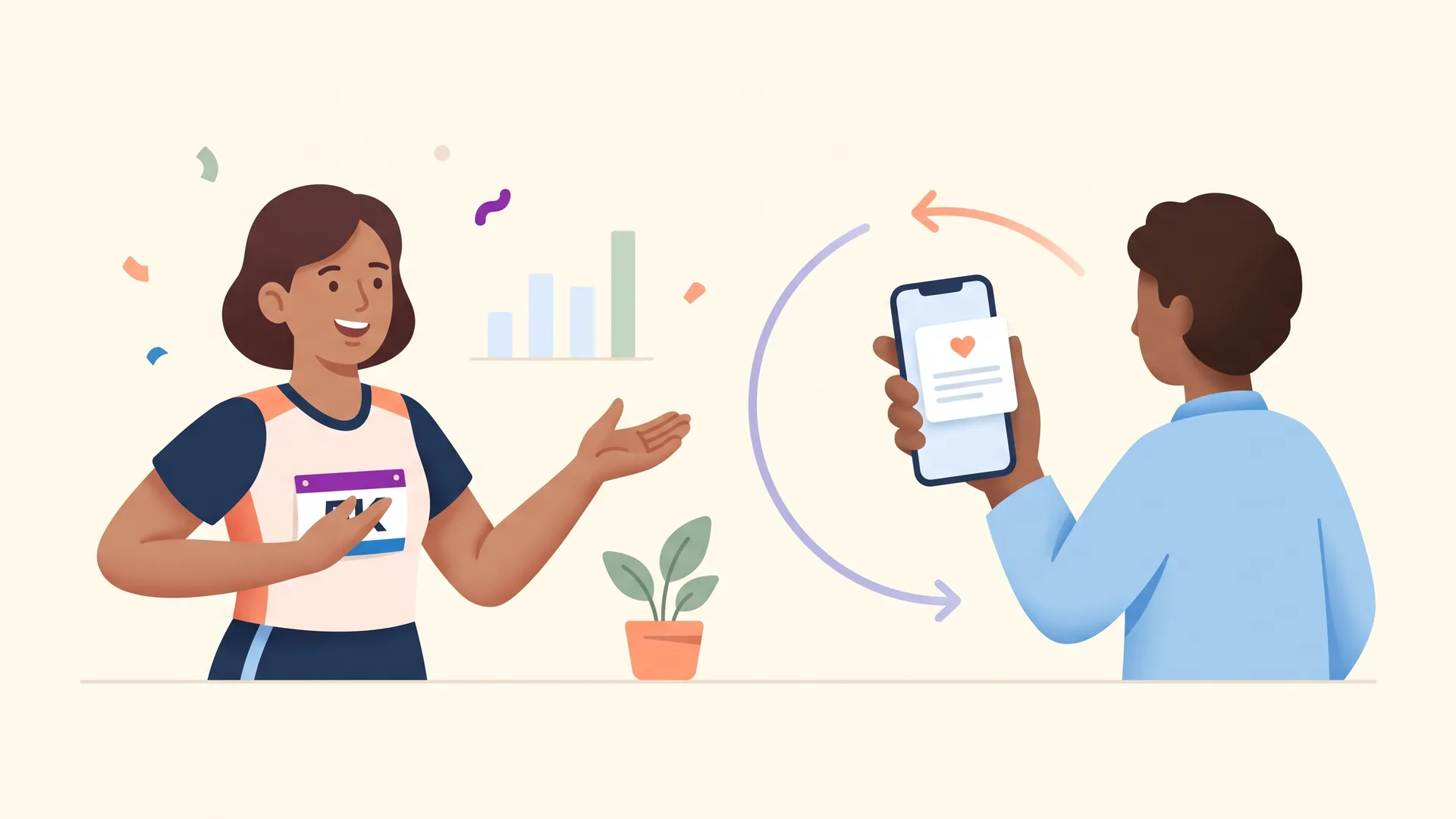
Your neighbor asks you to sponsor her 5K. You've never given to this organization before. You don't know much about what they do. You give anyway, because she asked.
That's not a donor giving to a cause. That's a donor giving to a person, who happens to be raising money for a cause. Which means the clock is already running. Peer-to-peer donor retention comes down to whether someone reaches that donor again before the connection to the friend who asked them fades.
Where the relationship gets lost
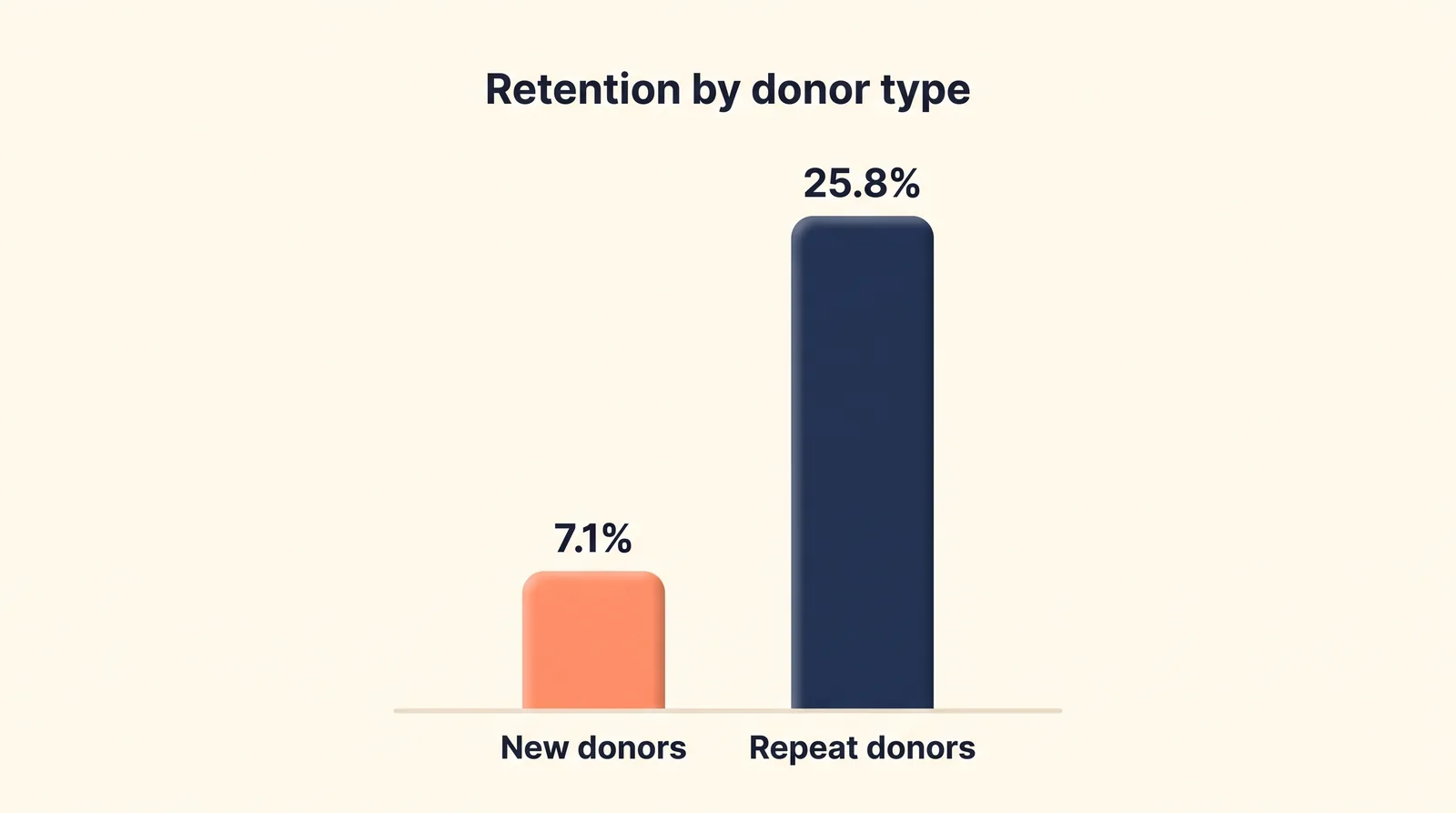
Sector data backs this up. In its most recent quarterly report, the Fundraising Effectiveness Project found overall donor retention holding essentially flat at 18.0%. Break that out by segment and the split gets sharper. Repeat donors were retained at 25.8% year to date, the only segment to improve, while new donors were retained at just 7.1%.
Read those two numbers next to each other. A donor who has given more than once is more than three times as likely to stay as a donor who has given once. The Fundraising Effectiveness Project called converting a first gift into a second “the most consequential unsolved problem in the donor pipeline.”
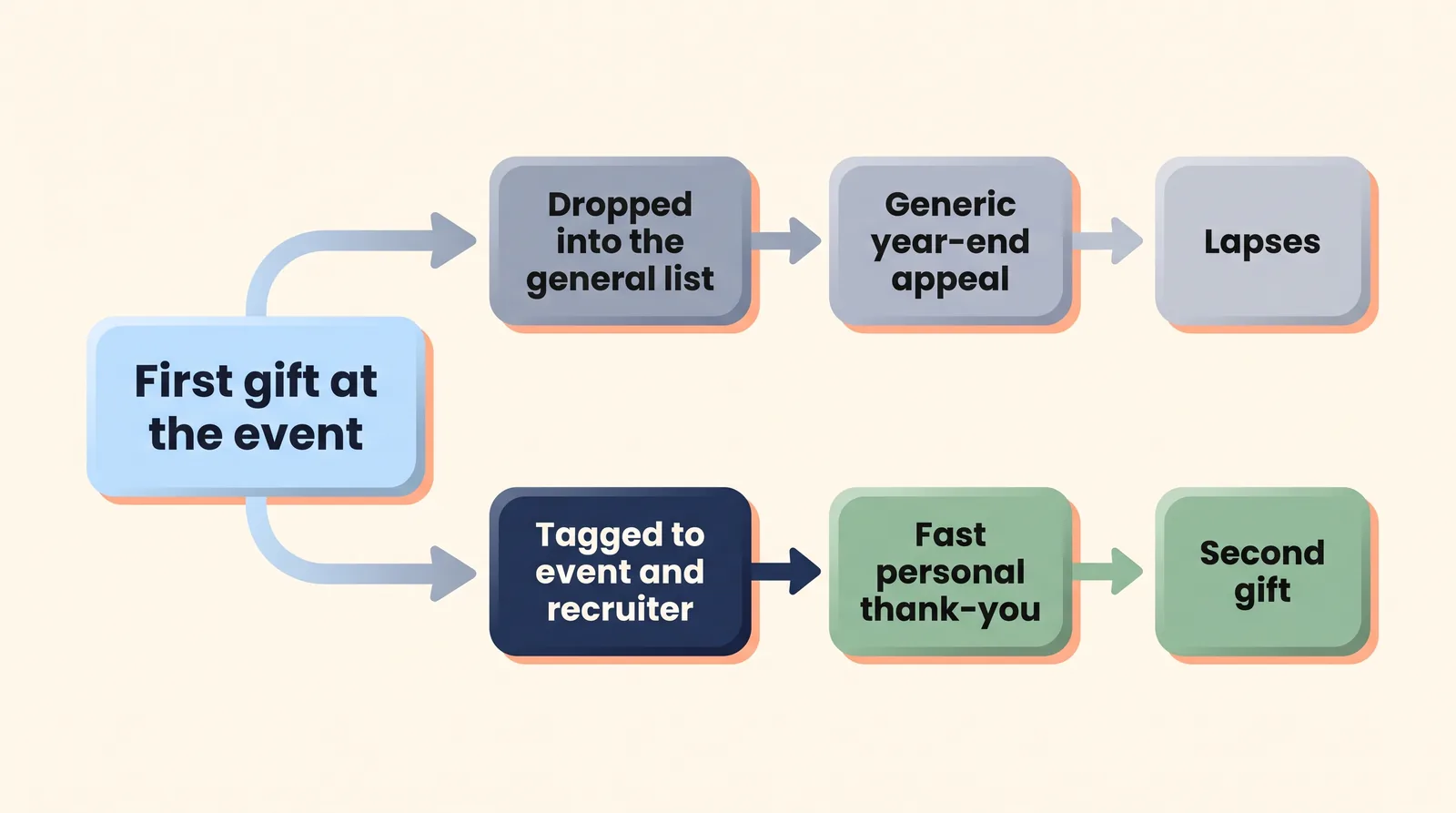
Once an event ends, it's common for everyone who gave to land in the same list: same segment, same next touchpoint, same annual appeal, regardless of how they arrived at that first gift. A donor who gave $50 because a neighbor asked ends up next to a donor who found the organization through a Google search two years ago. Six months later, they both get the same year-end appeal, with no mention of the event, the neighbor, or why one of them gave in the first place.
A window that closes fast
The donor didn't say yes to the cause first. They said yes to a person. That connection can wear off fast. If the next thing they hear is the same appeal everyone else gets, the organization is starting from scratch.
The problem isn't that these donors are ignored. It's that they're treated the same as everyone else when what they need is quicker follow-up. Peer-to-peer donors need a segment built around timing, because that window is tied to a specific relationship. Retention comes down to noticing that, and acting on it before the window closes. It's the same logic behind the Smart Steward Method: stewardship that compounds instead of resetting every campaign.
The first touchpoint sets the tone
Before there's a second ask, there's a first response: the confirmation screen, the receipt, the first email that lands after someone gives. For a peer-to-peer donor, that first message matters, because it's the first chance to show you noticed how this donor actually arrived, through a person rather than a search result or an ad.
Most confirmation flows are built for the average donor: thank you, mission statement, tax receipt. None of that answers what a peer-to-peer donor wants to know, which is whether their gift did what their friend asked it to do.
Ronald McDonald House Charities of Oregon & SW Washington built automated messages to new participants into its peer-to-peer campaigns as a standard part of onboarding. Alongside team and individual fundraising options, that helped the chapter grow participation year over year and exceed its 2025 fundraising goal by 6%, even after losing a major sponsor.
What that follow-up should look like
Acting on that window doesn't require a different fundraising strategy. It requires remembering who's reading the first thank-you and the first follow-up: someone who gave because a person they trust asked them to, not someone evaluating the cause on their own.
A good follow-up does a few things a generic one doesn't:
- Names the person who asked
- References the specific event or team
- Goes out while the event is still recent, not whenever the next email is scheduled
A thank-you built this way might read something like: “Thanks for supporting Sarah's 5K last weekend. She told us how much your gift meant to her, and it helped her hit her goal.” That names the person and the event together, instead of speaking only to the cause.
Pledge It makes this easy. Every campaign includes a built-in Message Center for reaching specific groups tied to that campaign: the donors who gave, the participants who fundraised, the team captains who recruited others. There's no need to export a list or wait on someone else to pull it together. A thank-you or a follow-up can go straight to the right group, while the connection to the event is still fresh.
The recruiter deserves attention, too
The neighbor doing the 5K isn't just the reason a donor gave. She's a fundraiser in her own right, and she's just as easy to lose track of once the event wraps.
A thank-you focused only on her total raised misses half of what she did. She brought in donors who might not have given otherwise. Recognizing that can encourage someone to want to do it again next year.
This might matter more in peer-to-peer fundraising than in most channels, because the same person often plays both roles over time. A donor last year because a friend asked, a recruiter this year asking friends of her own. Losing track of either side means starting over on both. If you already run galas and ticketed events, the same principle applies to turning last night's guest list into a retention engine.
That means the recruiter, whether she's leading a team or fundraising on her own, needs the same personalized attention the donor gets. Pledge It treats fundraisers and team captains as their own audience, separate from donors and participants generally, so a follow-up can go to the person who recruited, not just the supporters they brought in.
Isn't this more work?
Treating these supporters differently can sound like an extra layer of effort on top of an already full plate.
In practice, it's a different order of the same work, not more of it. The information needed to identify a peer-to-peer donor, meaning who recruited them, which event, which team, already exists the moment the gift comes in. Nothing new has to be tracked or built. What changes is sequencing: a smaller, faster message goes out to that specific group first, and the wider communication everyone else gets can still go out afterward. That's segmentation that works for a lean team, not a new program.
Once that message exists, it can be reused. On Pledge It, campaigns can be cloned year to year, messaging and all, instead of rebuilt from scratch. “In a lot of ways, it's plug and play,” said Jessica Ubel, Development Director at RMHC of Oregon & SW Washington.
What happens after the campaign ends
Pledge It captures the relationship the moment it starts, including who gave, through which event, through which team, and keeps that history intact year over year as a donor comes back to future campaigns, whether that's the same peer-to-peer event, a gala, or something else.
What lives outside that is everything not tied to a campaign at all. A mailed year-end appeal. A major gift conversation. A grant. A donor management platform like DonorDock keeps all of that alongside campaign giving, under one donor's record, instead of split across separate systems.
It also covers the stewardship work that's easy to drop during a busy season. First-time donors surface on the Action Board as their own group, and Smart Nudges prompt the follow-up so the window doesn't close while your team is heads-down on the next campaign.
Knowing who's worth the second ask
Not every supporter comes back, but you can usually tell who will if you look at the data. If a familiar name pops up year over year, event after event, that's someone worth extra attention.
A few patterns worth watching for:
- First-time peer-to-peer donors don't have a giving history yet, but that's exactly when a fast, personal follow-up matters most.
- Repeat donors have given more than once, whether to the same event or a different one. This is where extra cultivation pays off, since the pattern is already showing.
- Lapsed donors gave once, through a peer connection, and haven't been heard from since. Whether that's a dead end or an opening depends on whether anyone has followed up since that first gift.
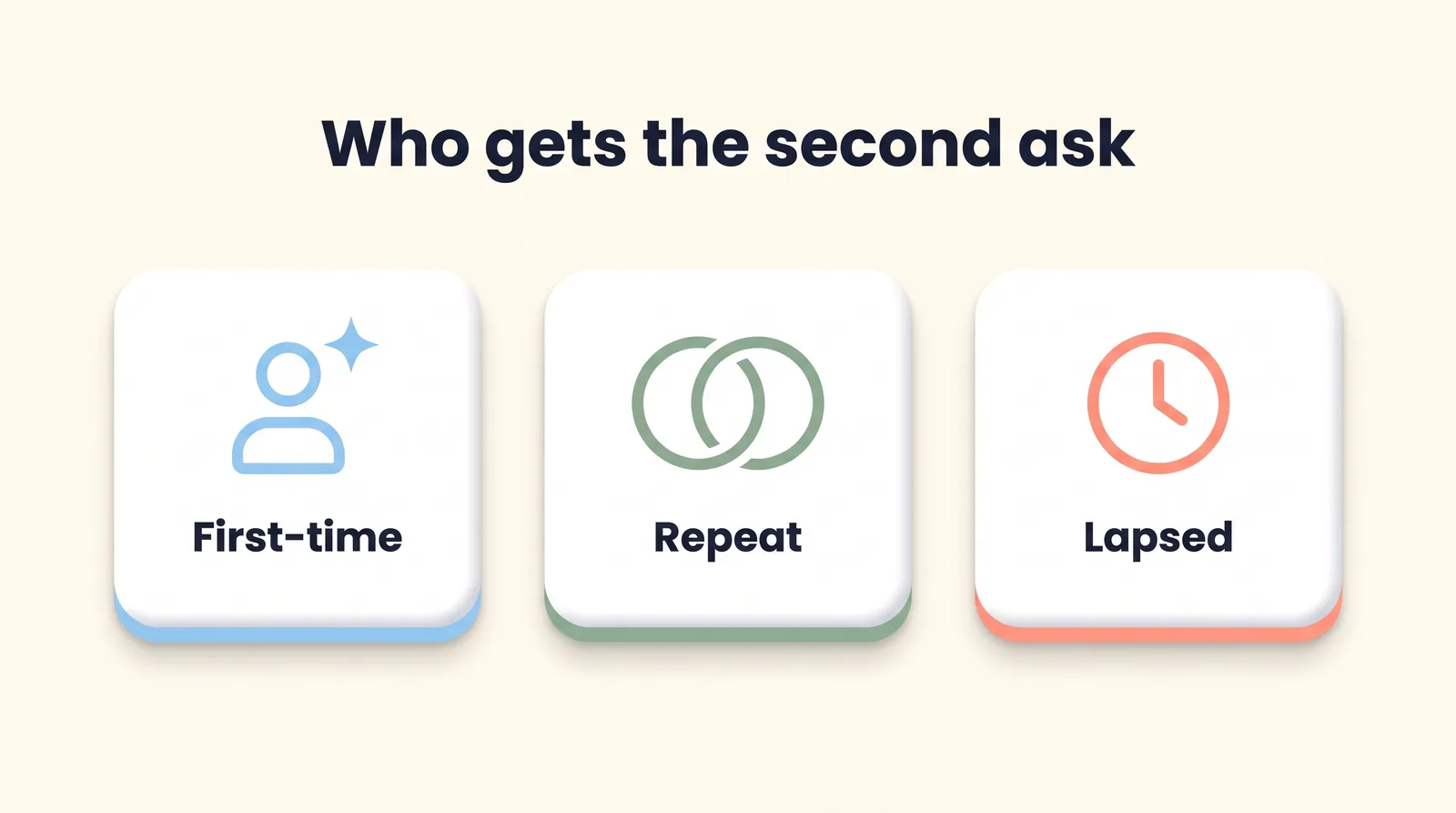
That third group is usually larger than teams expect, and it's the most recoverable. A structured lapsed donor re-engagement playbook works especially well here, because you already know exactly which event brought them in and who asked them.
AVOL Kentucky more than doubled its annual walk revenue year over year and increased participant registration over previous years. Growth like that gets easier to repeat when you already know which supporters are coming back, instead of treating every campaign as a fresh audience.
A relationship, not another email
It's tempting to land on one action item: send a follow-up email a few weeks after the first gift. But that's not the whole story.
Peer-to-peer fundraising doesn't just bring in new donors. It brings in donors who arrived already trusting someone connected to the cause, a head start most acquisition channels don't offer. You don't get more out of it by running a bigger campaign. You get more out of it by not losing what's already there, which is the same reason fixing retention before acquisition tends to beat chasing volume.
That's what the second ask really is. Not a follow-up email, but the second chapter of a relationship a donor already chose to start.
Where to start
None of this requires a new system or process. Just do one thing differently on the next campaign: reach peer-to-peer donors with something specific before the general appeal goes out to everyone.
Here's what that looks like in practice.
- Start with last event's peer-to-peer donors, not the full list. That group already exists: whoever gave through a team, a fundraising page, or a specific ask. No exporting required to find them.
- Draft one message for that campaign's donors. Reference the event, what it was for, and what you accomplished together. A broader thank-you can still go to everyone else later. This one is for the people who gave through this campaign.
- Get it out while it's still relevant. A few days makes a real difference. For a recurring campaign, save it as a template so next year's version is ready without rebuilding it from scratch.
- Don't stop at the donor. Whoever recruited them, a team captain or an event fundraiser, deserves the same kind of acknowledgment, one that names what they built and not just what they raised.
Do this consistently, and peer-to-peer events stop resetting every year. The organization builds on donors and recruiters who already trust the cause enough to give and ask again. That's a far less costly, more durable position than starting from nothing every campaign.
About Pledge It
Pledge It is a fundraising platform built to help nonprofits rally their communities, raise money, and reach their goals. From peer-to-peer campaigns and endurance events to galas and auctions, Pledge It gives organizations the tools to run any kind of fundraiser on one platform, backed by a customer success team invested in getting them there. Interested in Pledge It?Schedule a demo to see what's possible for your next campaign. Interested in DonorDock? Learn more by talking with our team.