AI is changing how nonprofits work, and it's fair to have questions about it. Here's how we think about artificial intelligence at DonorDock: what it's for, where we use it, and the line we won't cross.

A gift is a person trusting your mission. No technology replaces that, and none should try. Every AI decision we make starts from a single conviction: AI should multiply the human effort in fundraising, never substitute for it.
When we get it right, your team spends less time on busywork and more time doing the thing only people can do, building relationships.
The nonprofit leaders we serve wear many hats and rarely have enough hours. AI in DonorDock takes on the work that steals those hours: drafting a first version, surfacing the donor who needs attention, prepping the follow-up. The judgment, the voice, and the relationship always belong to your team.
DonorDock is built for lean teams. Our AI exists to give those teams the capacity of a bigger one, so the people you have can focus on donors instead of data entry. We build AI to make fundraisers more valuable, not less necessary.
AI in DonorDock suggests. You decide. Drafts wait for your edits, nudges wait for your action, and nothing goes to a donor without a human choosing to send it. We aim to make it clear when AI is at work and why it's suggesting what it suggests, so you can trust it the way you'd trust a well-briefed teammate.
Donor data is a trust, not an asset to exploit. We don't sell your data, and we use it for one purpose: helping you steward your own donor relationships.
Every AI feature has to earn its place by giving your team meaningful time back. We believe restraint matters, for your budget, for your attention, and for the broader footprint of this technology. Being thoughtful about when AI runs is part of being a good steward, and as these tools become more efficient, we'll keep choosing the responsible path over the flashy one.
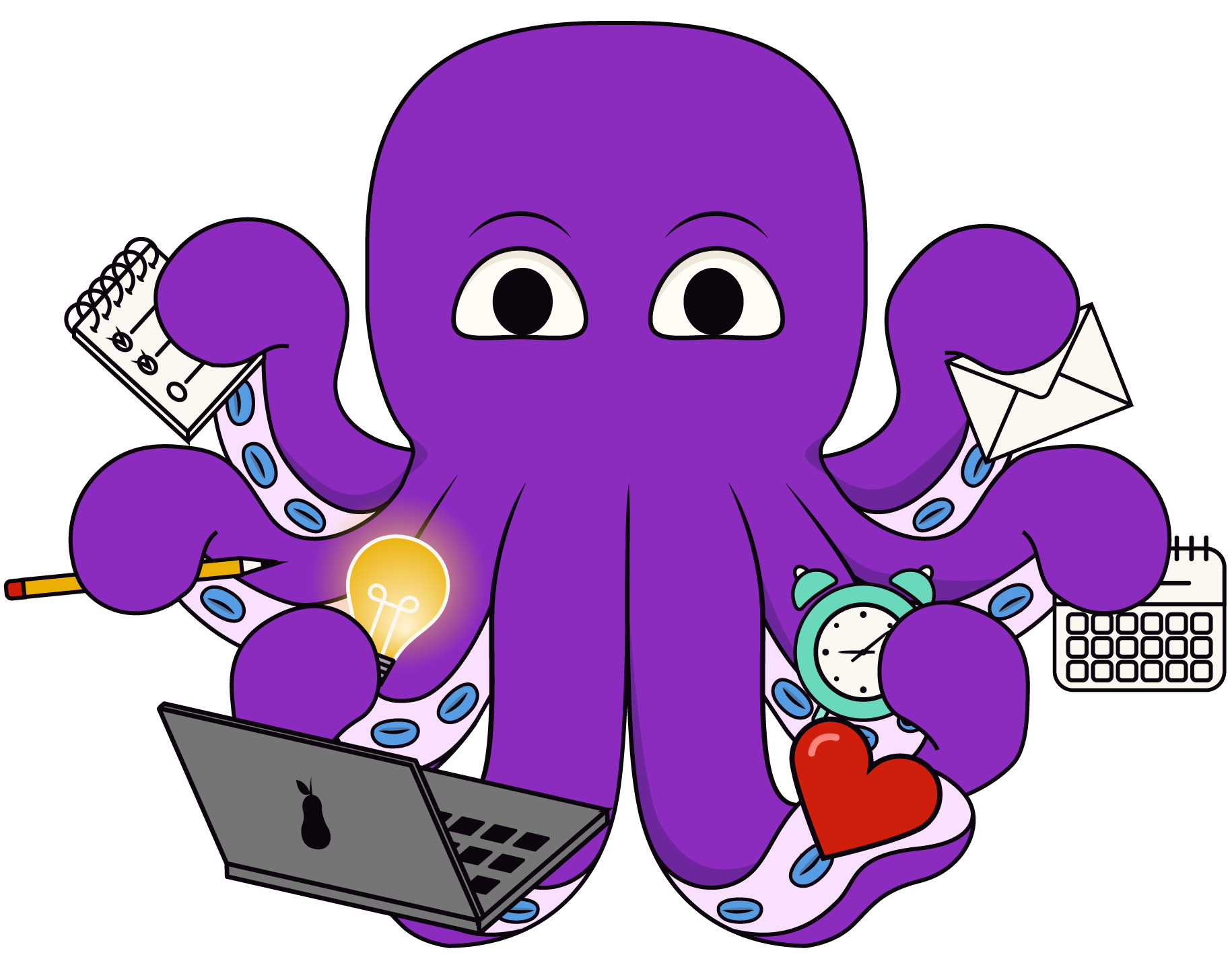
Otto is the intelligence woven throughout DonorDock, a friendly sidekick with an extra arm for everything on your plate. Every suggestion Otto makes shows up inside your workflow, waits for your judgment, and leaves the relationship in your hands.
Otto pulls giving history, engagement, and notes into a short, readable summary of every contact, so you instantly understand who someone is and how they connect to your mission.
Meet OttoOtto watches the moments that matter, like giving anniversaries and lapsing donors, and nudges you at just the right time. Ask Otto for the next best touchpoint, and you'll know exactly who needs you today.
Explore Smart NudgesSet up a donor journey once and let Otto take it from there. Otto writes personalized emails for each stage, so every supporter hears from you at the right moment. You review, edit, and approve.
See Otto-written emailsHave a question? Just ask. Otto chats with you right inside DonorDock, answering questions about your donors, your data, and your next step, like a teammate who has already read every note.
Chat with OttoFour AI helpers live inside the email editor: Smart Headings, Smart Text, Smart Images, and Smart Buttons. Each one speeds up building a polished email while you stay in charge of every word.
Explore Smart Tools for EmailNo. DonorDock's AI is built to handle repetitive work like drafting and data upkeep so fundraisers have more time with donors. Every donor-facing action requires a human decision.
It's a fair question, and one the whole industry is still working through. Our approach is restraint: we use AI purposefully, where it clearly serves your mission, rather than running it everywhere by default. We also follow the rapid efficiency gains in the underlying technology and factor them into how we build.
Your data is used for one purpose: serving your organization and your donors. We do not sell donor data, period.
Yes. AI features in DonorDock assist your workflow, they don't take it over. Your team decides what to lean on, and everything AI produces is yours to edit or discard.
That was true before AI, and it's the standard every AI feature has to meet now. See what human-first AI looks like in practice.