As fundraisers, we’ve all felt the tension: how do we stay connected with donors without overwhelming them, or ourselves? Some supporters crave detailed updates, while others simply want a heartfelt thank-you. Major donors might expect a coffee chat, while smaller donors are content with a quarterly email.
It’s impossible to treat every donor exactly the same, and honestly, we shouldn’t try.
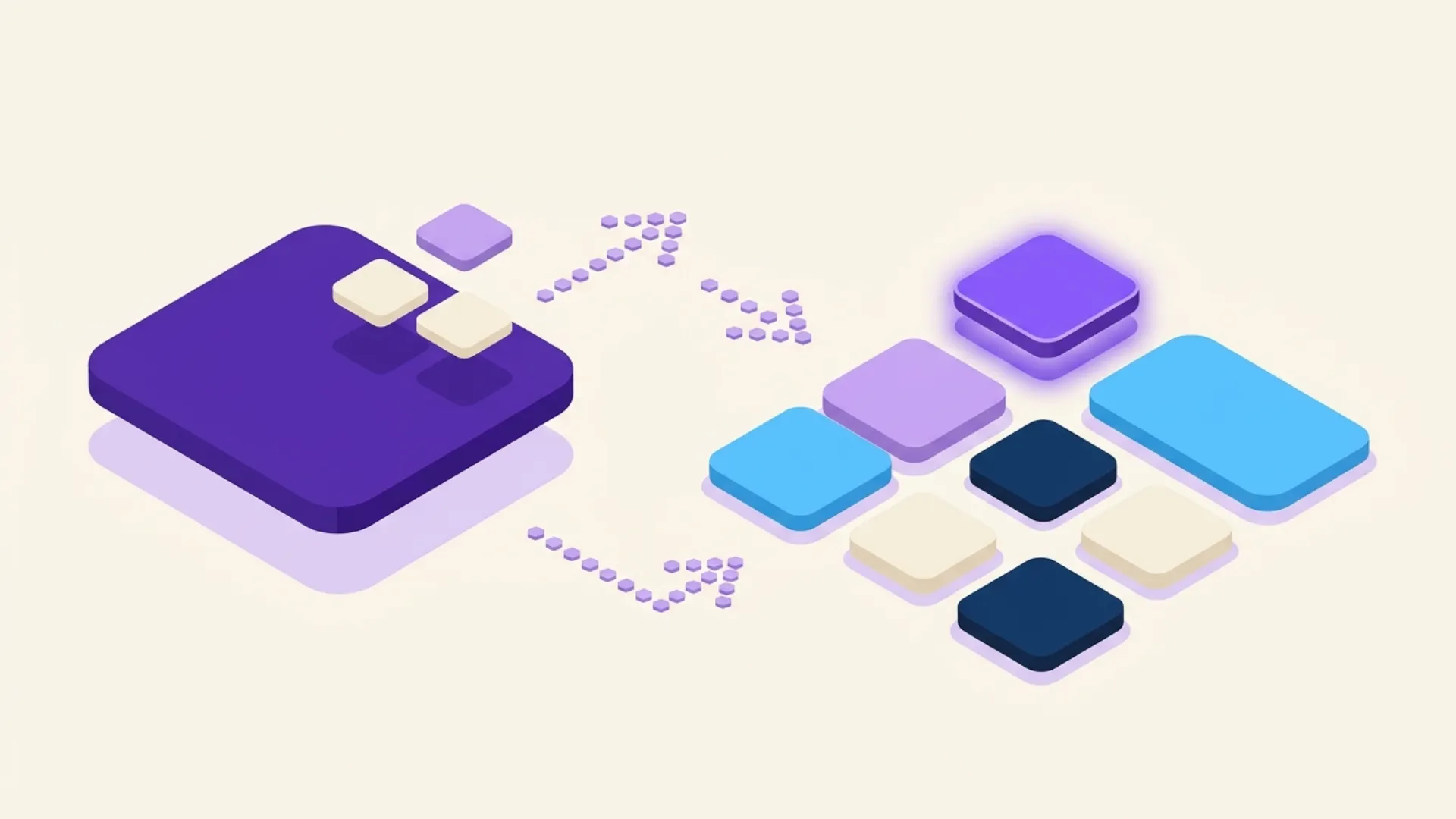
What we need is segmentation.
By setting up consistent quarterly emails for the majority of donors and layering in more personal touches for those who expect deeper connection, we create a rhythm that builds trust, eases our workload, and keeps our donors engaged over the long haul.
Why consistency matters more than volume
There was a time when one successful fundraiser could keep donors engaged for years. Today, that’s no longer the case.
Donors want to feel included the moment they give, and they’re looking for steady communication that proves their support truly matters.
When we say consistency, we don’t mean blasting donors with weekly newsletters. We mean finding a sustainable rhythm that donors can count on, whether that’s monthly, bi-monthly, or tied to your campaign calendar. The point is that your donors know they’ll hear from you regularly, and the message across channels, email, social, events, feels aligned.
This kind of clarity is part of the Relationship Loop. Donors trust you more when your communication is dependable and familiar. It’s not about volume; it’s about keeping the drumbeat steady so supporters always feel connected.
One size doesn’t fit all
Broad updates help keep the majority of donors informed, but they’re not enough for every relationship.
Many mid-level and smaller donors are satisfied with these updates. In fact, some of them prefer not to be recognized publicly at all. For them, a short note that shares impact, includes a photo, and offers an easy link to give again is exactly what they’re hoping for.
But major donors are different. These relationships thrive on personal attention. For some, that might mean a phone call after a big project milestone. For others, it could be a lunch meeting or even a quick text when exciting news breaks. The key is listening to their preferences and tailoring your cadence accordingly.
One major donor may appreciate a monthly check-in, while another might only want a couple of personal updates each year.
This flexible approach aligns with what we’ve shared in 6 Donor Segments Every Nonprofit Should Use. Segmentation isn’t about putting people in boxes. It’s about respecting their communication style and showing that we value the relationship enough to meet them where they are.
Listening is part of the strategy
Segmentation works best when it’s a two-way street. That’s why we treat donor feedback as an essential part of the strategy. When someone replies to a quarterly email asking for more details, or when a major donor tells us they’d prefer fewer updates, that isn’t criticism, it’s an invitation.
They’re giving us insight into how they want to engage with our mission.
We’ve seen how powerful this can be. Donors who ask follow-up questions are showing that they’re paying attention, that they care enough to want more. By adjusting based on their input, we’re building trust.
This is a core principle in DonorDock’s Nonprofit Stewardship Framework, where every touchpoint is part of a cycle of listening, acting, and deepening connection.
Tools and tactics that lighten the load
Even with the best intentions, it’s easy for communication plans to get lost in the shuffle of events, campaigns, and committee meetings. That’s why we rely on structure and tools to make segmentation sustainable.
One of our favorite practices is time-blocking. Instead of writing emails in a rush, we carve out hours specifically for content creation, drafting multiple messages at once. Then, using automation, we schedule those messages so they roll out on time, without someone on the team needing to hit “send” manually every time.
This frees up energy for where it really matters: the personal touches.
When the repetitive work is automated, we have more bandwidth to sit down with major donors, write handwritten thank-you notes, or respond to unexpected feedback.
That’s exactly why we built Otto, our fundraising assistant. For development teams, automation isn’t a luxury, it’s what makes consistent, donor-centered communication possible. By letting Otto handle the logistics, fundraisers can focus on relationships, not admin.
Your next move
If communication feels overwhelming, start simple:
- Choose a consistent rhythm for broad updates that your team can realistically sustain.
- Layer in personal touches for major donors, tailored to their preferences.
- Pay attention to donor feedback and let it shape your cadence and messaging.
- Use tools to automate the routine so you can focus on the relational.
When we segment like we mean it, donors feel seen, heard, and valued. And when that happens, they don’t just give once, they stay with us for the long haul.