TL;DR: Donor engagement strategies built on reach (more posts, more followers, more impressions) rarely turn into gifts. The ones that work build one-to-one relationships before the ask: comments, direct messages, live conversations, and a thank-you that gets logged. Measure depth, not reach.
You posted the appeal. Nice graphic, clear link, a story that mattered. Eleven likes, two comments, zero gifts.
If that sounds familiar, the problem usually isn't the post. It's everything that didn't happen before it. The donor engagement strategies that actually raise money on social channels have less to do with reach and more to do with relationships, built one person at a time, long before anyone is asked for anything.
Here's what the data says about why posts stall, what moves a follower to give, and how a development team can run social the same way it runs stewardship.
Why don't social media posts convert into donations?
Social media posts rarely convert because a post asks a crowd, and nobody in a crowd feels personally asked. The platforms are excellent at inspiring people and weak at closing gifts on their own.
It isn't an inspiration problem either. In a donor survey reported by Nonprofit Tech for Good, 29 percent of donors say social media is the tool that most inspires them to give, just behind email at 33 percent.
It's a conversion problem. M+R Benchmarks found that revenue from Facebook Fundraisers fell 42 percent in 2024 and accounted for just 0.2 percent of all online revenue. Meanwhile, the share of nonprofits running peer-to-peer campaigns has dropped to 32 percent, down from 45 percent in 2023, which suggests plenty of teams are getting less from the channel than they hoped.
Put those numbers together and a pattern shows up. Social is an excellent place to be seen and a harder place to be asked, at least when the asking is done by an organization's account broadcasting to everyone at once.
The broadcast model asks a crowd and hopes. The relationship model asks a person and expects a reply.
What actually moves a follower to give?
Being asked by someone they know. A 2009 Center on Philanthropy study of more than 8,300 donors found that people gave 19 percent more to secular charities when asked in person by someone they knew than when asked by phone, mail, or email. The relationship carried the gift, not the channel.
The bigger issue is that most people are never asked at all. GivingTuesday's GivingPulse year-end 2025 report found that half of Americans don't remember being asked to give. Among those who were asked and responded, 87 percent gave money. The gap in American generosity isn't willingness. It's the ask, and specifically a personal one.
On social channels, a personal ask looks nothing like a post. It looks like:
- A direct message from someone who has been active in your comments for months.
- A "just checking in on you, anything I can do?" note with no ask in it at all.
- A story that includes the hard part, not just the hopeful ending. People relate to the conflict because many of them are living it. We've written more about that in how to use storytelling to strengthen donor engagement.
Each of those is a small act of attention. None of them scales the way a post does. All of them convert better, because by the time the ask arrives, it comes from a person the supporter already trusts.
What is multichannel donor engagement?
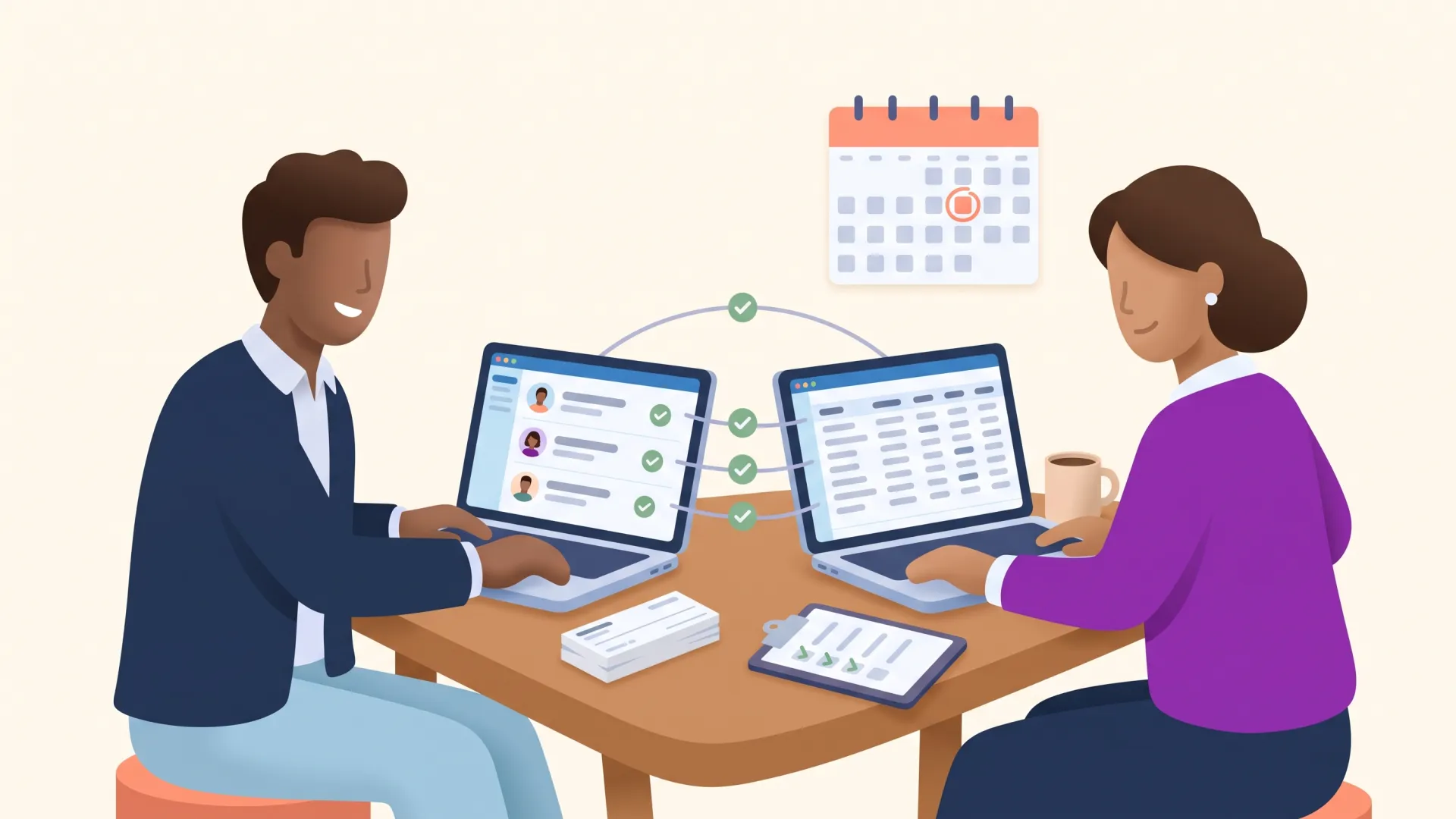
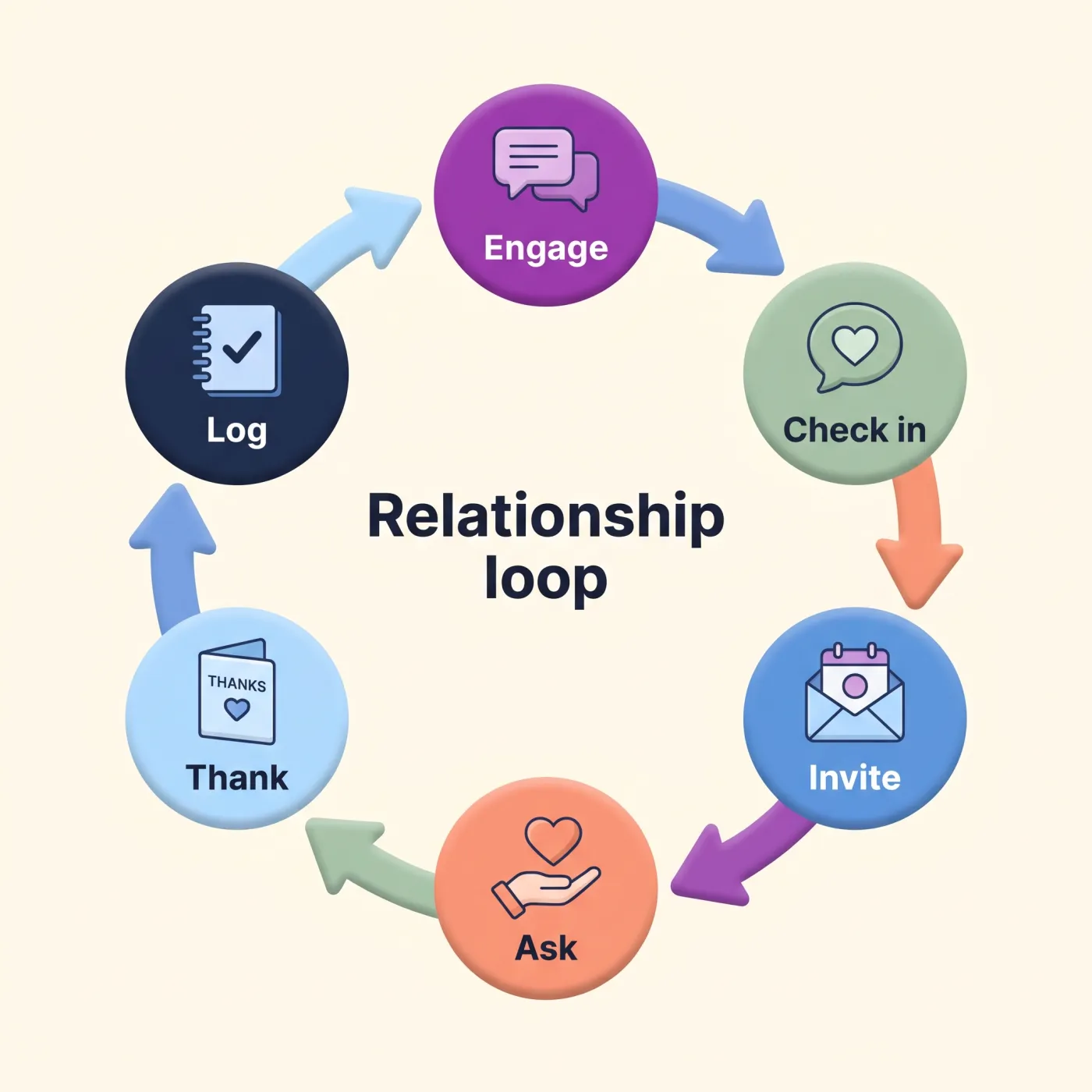
Multichannel donor engagement is coordinated, two-way contact with supporters across the channels they already use (email, text, mail, events, social, and live video), with every meaningful interaction recorded in one place so the next touch builds on the last. The operative word is two-way. A channel you only talk into is advertising, not engagement.
That's where social usually breaks the model. Email gets replies. Text gets replies. Events get handshakes. Social gets scheduled, posted, and forgotten. Development teams that treat it as one more broadcast channel get broadcast results. (For the fundamentals across every channel, start with our donor engagement strategy overview.)
Two shifts fix most of it.
Treat social as a conversation channel first and a publishing channel second. Replies, comments, and direct messages are the point. The posts exist to start them. If your team spends 90 percent of its social time producing content and 10 percent responding to people, flip the ratio for a quarter and watch what happens to your donor conversations.
Choose fewer, better touchpoints over constant presence. A weekly live show that wears out your team by spring is worth less than a monthly one you can keep running for years. Consistency a supporter can count on beats volume nobody answers. If your team can only do one thing well, pick the one that creates real interaction and let the rest go.
For how this fits alongside email, mail, and text, see our guide to combining traditional and digital nonprofit outreach and the broader approach to nonprofit donor outreach.
What is a stewardship touchpoint on social media?
A stewardship touchpoint is any interaction that makes a specific supporter feel seen, heard, or valued, and that you can attribute to a named person afterward. On social, that includes:
- Replying to a supporter's comment with a question back, not just a thumbs up.
- A check-in message with nothing attached to it. No link, no ask, no event.
- Thanking a peer-to-peer fundraiser publicly on the post and privately in a message, within a day.
- Sending the people who showed up to your live stream a screenshot of the comment thread they were part of, with a note about what their presence meant.
- Commenting on supporters' own posts. Celebrate their milestones, their work, their causes. Support that goes out tends to come back.
Notice what's missing: likes. A like is not a touchpoint. Nobody remembers who liked their post. Everybody remembers who wrote them a note.
This is Smart Stewardship applied to a channel most teams don't think of as stewardship at all. The Smart Steward Method™ treats every intentional touchpoint as the unit of donor retention, and social touchpoints count the same as a handwritten note or a thank-you call. They just need to be intentional, and they need to be recorded.
How do I track social media interactions with donors in a CRM?
Here's where most relationship-first social efforts dissappear: in the app's inbox. The development director has a wonderful DM exchange with a mid-level donor in March, it never leaves Instagram, and in November the year-end appeal goes out as if that conversation never happened.
The fix is when a social exchange changes something (a supporter shares a personal reason they care, mentions a life event, offers an introduction, or says they'll think about giving), log it as an activity on their record the same day. DonorDock's activity tracking keeps calls, meetings, notes, and event attendance on one donor timeline, so your note about a LinkedIn conversation sits right next to last year's gift and this spring's thank-you call. Not every like gets logged. The exchanges that mattered do.
Then let the system carry the follow-through. A "let me think about it" becomes a dated task on the Action Board instead of a mental note. Smart Nudges flag lapsed donors who are due for re-engagement, which is often exactly who a quick check-in message is for.
Once social touchpoints live on the timeline, you can measure what the platform dashboards can't.

Reach metrics tell you how many people scrolled past. Depth metrics tell you whether relationships are forming:
- Named supporters with a two-way exchange this quarter. Not followers. People you actually talked to.
- Reply rate on check-in messages. If few people reply, the messages are probably reading as marketing. Treat it as a gut check, not a benchmark.
- Touchpoints before the ask. How many real interactions did a donor have with your team before you asked? Three or more is a different conversation than zero. There's no magic number, but it's a useful gut check.
- Second gifts from social-sourced donors. The honest test of whether a relationship existed. Our breakdown of second gift conversion rate benchmarks shows why this one number predicts long-term value better than first-gift totals.
How do relationship-first engagement strategies improve donor retention?
Because the alternative is the trend the whole sector is already living. The Fundraising Effectiveness Project's year-end 2025 report found that overall giving grew an estimated 5.0 percent, the strongest in five years, while donor counts fell 3.6 percent, extending a decline that began in 2021. Overall retention edged up from 43.1 to 43.3 percent, and growth was driven almost entirely by major and supersize donors.
In plain terms: nonprofits are raising more money from fewer people. Donors acquired through a broadcast post with no relationship behind it have the least reason to stay when the next campaign ends. They gave to a moment, not to you.
Donors acquired through a relationship behave differently. Someone who gave because a friend asked, and then heard from that friend and from your team afterward, has a reason to give again that has nothing to do with the next campaign graphic. That's the logic behind relationship-first fundraising, and it's why peer-to-peer programs that plan for the second ask tend to keep more of the donors they recruit.
Social done this way isn't a separate acquisition channel. It's the front door to the same donor retention system everything else feeds. For a deeper look at keeping supporters close between campaigns, this video on how to keep donors engaged all year is a good next stop.
Where should your team start this week?
You don't need a content calendar overhaul. You need a short list and a habit.
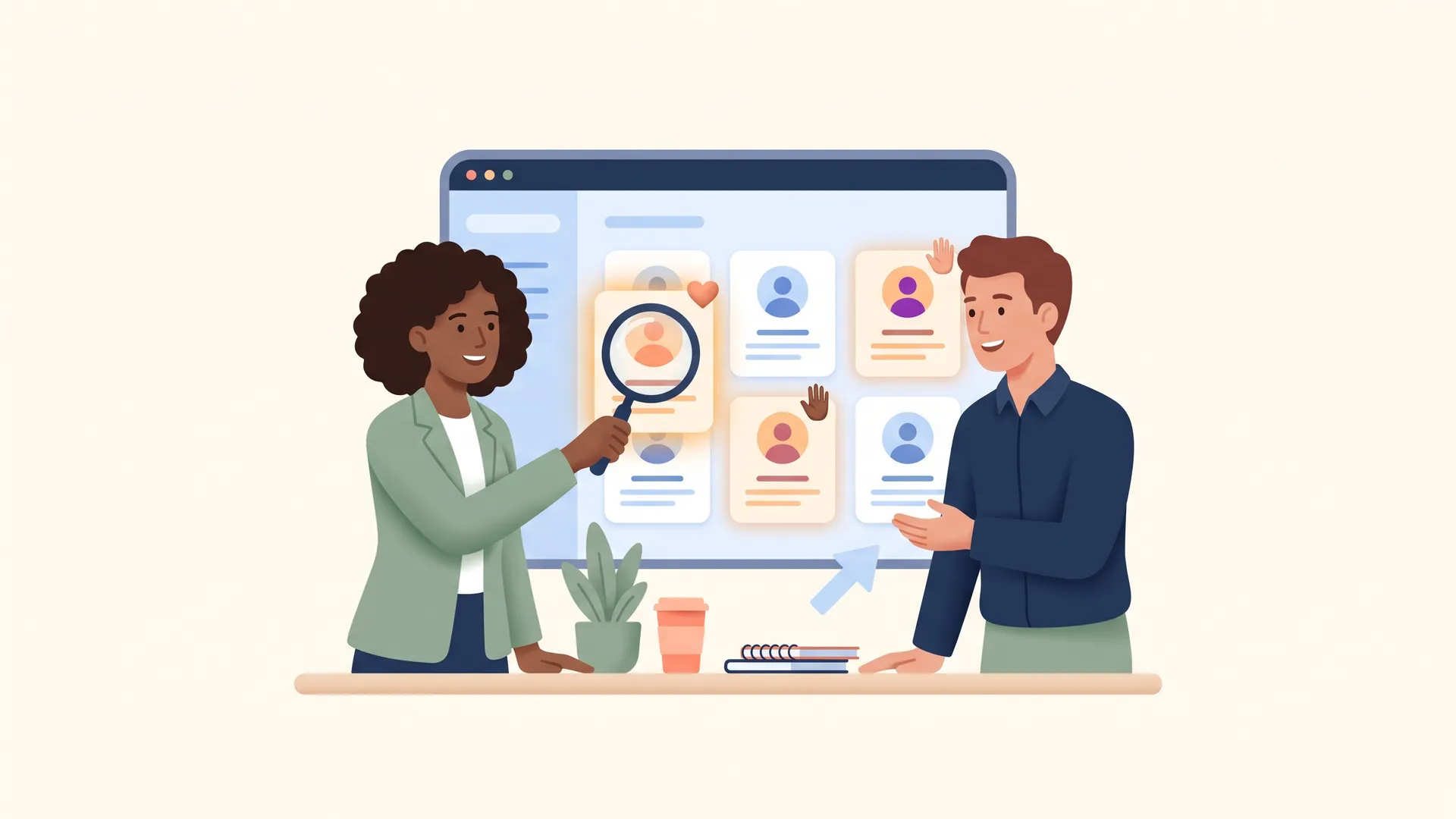
- Pick 25 supporters whose relationship you want to deepen this quarter: lapsed mid-level donors, active peer-to-peer fundraisers, board connections. Follow them. Show up in their posts' comments with something real.
- Send ten check-in messages with no link and no ask. "Thinking of you, how's the new role going?" counts. Track who replies.
- Log every exchange that changed something as an activity on the donor's record the same day. Give the follow-up a date.
- Schedule one live conversation a month (a Q&A, a program update, a guest speaker) and ask the audience a low-stakes question in the first two minutes. Read the answers out loud.
- Thank within 48 hours, publicly and privately, anyone who fundraises, shares, or shows up. Then thank them again when the gift lands. A single thank-you call is still one of the highest-return things you can do.
None of this scales the way a post does. That's the point. It's not about doing more. It's about focusing on what matters most, which on social is the handful of people who already decided they're on your side and are waiting to be treated like it.
If you'd like to see how a development team keeps social touchpoints on the same donor timeline as gifts, emails, and calls, take a look at how DonorDock approaches donor outreach.