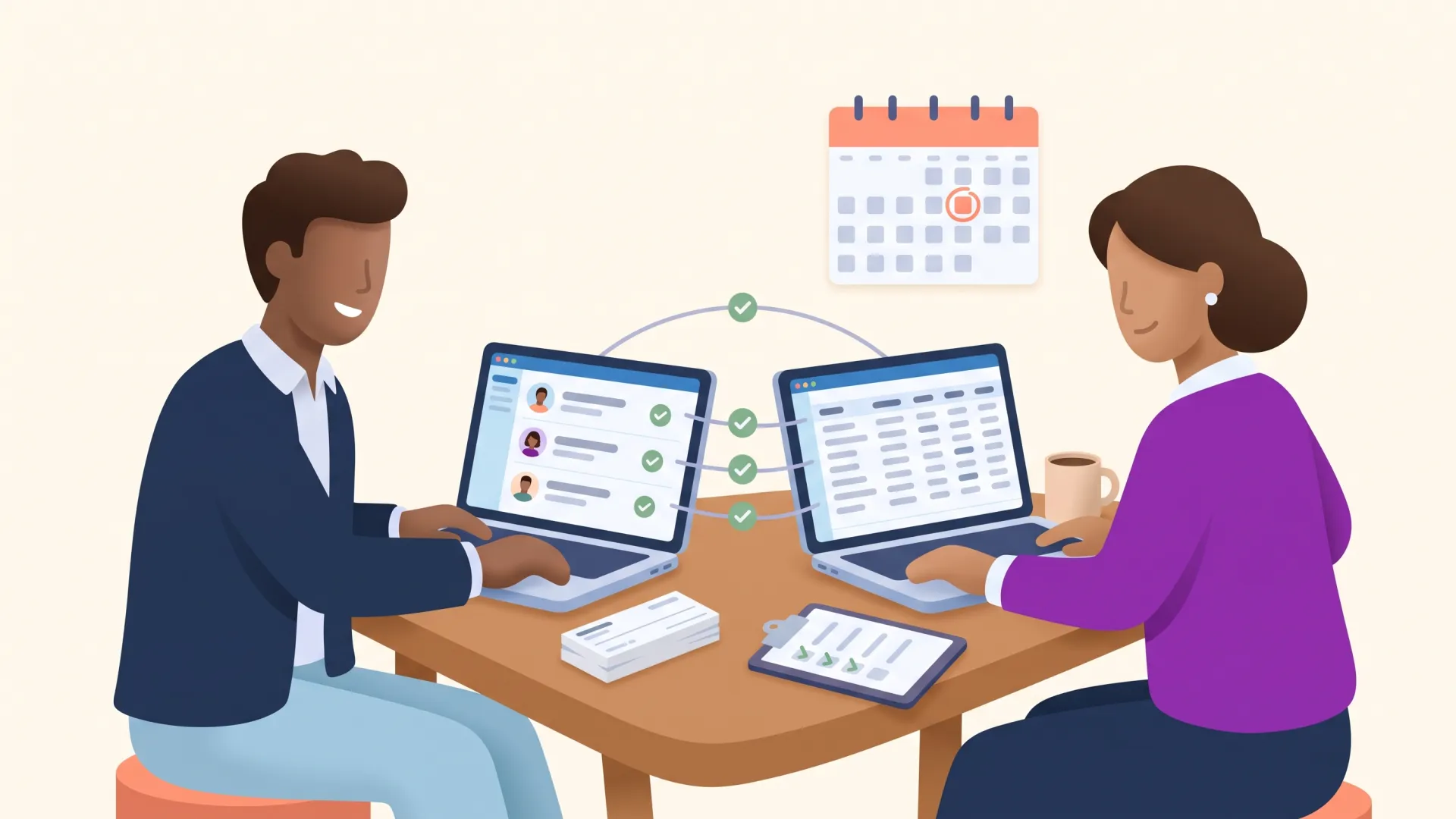
Picture a supporter who skims your nonprofit’s social post about a new after-school tutoring program on a Monday. On Thursday, your letter promoting that same program arrives, and she mails a check. A week later, she opens an email with a photo of the classroom her gift helped furnish. Your team logs the check as a direct mail gift, so the gift is attributed to the letter. But the social post introduced her to the program, and the impact email made her more likely to give again next year. Each channel did a different job, and her long-term relationship with your organization depends on all three.
When you plan traditional and digital outreach as part of a single strategy, each touchpoint makes the next one more effective instead of competing for attention. Plan them separately, and you risk cutting channels that rarely receive the final gift, without seeing the work they did elsewhere in the donor journey.
This guide walks through four steps to combine your traditional and digital channels for maximum impact and resonance with your donors.
1. Give each channel a specific role
Most outreach plans start by asking which channel each donor prefers. While it is important to reach out through the channels your donors are most familiar with, a more useful first question is what each channel does best. Once each channel has a role, your outreach works like a relay, naturally funneling the donor from one touchpoint to the next.
We’ll be focusing on these two types of channels:
- Digital channels, which handle discovery and urgency: Social posts, digital ads, email, and texts are fast and inexpensive to test, so they suit introducing a cause, reminding supporters of a deadline, and following up after a gift.
- Traditional channels, which build trust and depth: Direct mail, phone calls, events, and meetings take more effort, and donors notice it. These channels often close the gift and move loyal supporters toward larger commitments, though they require more investment.
Let’s say an animal shelter's spring appeal includes a social post introducing dogs waiting for surgery, a letter making the ask, and an email featuring a recovered dog going home. This mix of outreach engages people new to your cause who want to learn more. However, this same scope wouldn’t work as well for a wealthy supporter who has given every year for a decade. Instead, a highly personalized touchpoint, like a call from the shelter’s executive director, is better for opening a major-gift conversation.
Assigning roles also shows why a channel can matter even if it rarely receives the final gift. 29% of online donors say social media is the channel most likely to inspire them to give, so a social post's job is usually to introduce your cause before another channel makes the ask. Email edges out social at 33%, making it the strongest digital channel for driving action and the natural owner of follow-ups and deadline reminders.
2. Write one core message, then adapt it to each channel
While the language itself might vary, all of your communications across channels should feature the same core messaging. Working from an organization-wide resource that shapes your language (e.g., your case for support), take the core ideas and adapt them to align with each channel’s strengths. Working from one source keeps the story, ask amount, and deadline identical everywhere, so a donor who reads your letter and then your email will recognize them as the same request and act on it right away.
Here’s how a youth tutoring program might adapt its core message of donating to change a student’s life via scholarship across channels:
- Direct mail letter: One student's full story, the cost of a semester of tutoring, and the ask, with a handwritten note from a tutor.
- Email: The same story in three short paragraphs, the same ask amount, and one donation link.
- Text message: One sentence about the student and the donation link, sent two days before the deadline.
- Social post: A tutoring session photo with a one-line caption pointing to the same page.
- Event remarks: The student or a tutor tells the story in person, and the host repeats the same ask.
Before sending out your messaging, ask someone outside the development team to read all of them together. That way, you can spot a mismatched ask amount, photo, or deadline and correct it so that all of the channels achieve the same goal.
3. Sequence your traditional and digital outreach intentionally
Schedule your touchpoints in the order of the jobs you assigned, so each one prepares the donor for the next. Early communications should build awareness of your cause and campaign to prime recipients for the formal ask.
Here’s what this might look like for the animal shelter mentioned above, leading up to their annual gala:
- Six weeks out, set the mail date. Printing and postal delivery take weeks, so everything else should be timed from the letter’s in-home date.
- The week the letter lands, post on social media. Sharing media of dogs waiting for surgery and explaining their medical history introduces the need before the ask arrives.
- The appeal letter arrives, ideally four or five weeks before the event. It tells the dog’s story in more detail than the social media post and asks for a gift, with a QR code on the reply card for donors who’d rather give online.
- Three days later, send a follow-up email. This reminds supporters who haven’t given yet to do so.
- Three weeks out, host a shelter open house. This allows supporters to see what a gift accomplishes and build connections with the dogs.
- Two days before the gala, send a text. Urgency lands when a deadline is most motivating. Sending via text boosts visibility when action matters most.
- After the gala, send a recap email and report: Share event photos, highlight the night’s fundraising total, and thank attendees and donors. Then follow up with a short report on what the gala funded, which gives them a reason to give again next year.
The same ordering works for smaller efforts outside your main appeal. A sequence for re-engaging lapsed donors might open with a personal letter, follow with an email a week later, and end with a call to anyone who opened that email.
4. Track every channel's results in one place
If your database only records the channel that received the final gift, you don’t get a full picture of how each message supported that outcome. Recording offline and online activity together shows the full path to each gift.
To build that combined view, focus on these practices:
- Log every gift with its channel and campaign: Checks, event gifts, and phone pledges should use the same campaign code as online gifts so they all appear in a single report.
- Record touches as well as gifts: A note on who received the appeal letter, opened the email, or attended the event shows the lead-up to every gift.
- Use trackable entry points: Add a unique URL or QR code to print media to ensure each piece receives proper credit for its online gifts.
- Review results by channel: Compare outcomes from donors who received both mail and email with those who received only one to see whether the channels naturally complement each other and are worth repeating in your next plan.
Don't wait until a campaign ends to gauge your progress. Orr Group's fundraising strategy guide recommends using a dashboard that tracks progress against fundraising targets, which allows your team to act on trends quickly. For instance, if the email after your letter is underperforming in week two, you can still test a new subject line or add a text before the deadline.
Bring it all together
These steps work as a cycle rather than a checklist. The role you assign to each channel determines how it adapts the core message, and the results you track show whether those jobs were the right ones. That way, each campaign starts from evidence rather than habit, and every round of planning makes the next one more precise. Consistent iteration ensures that you capitalize on every opportunity to get in front of your supporters efficiently without losing emotional resonance.