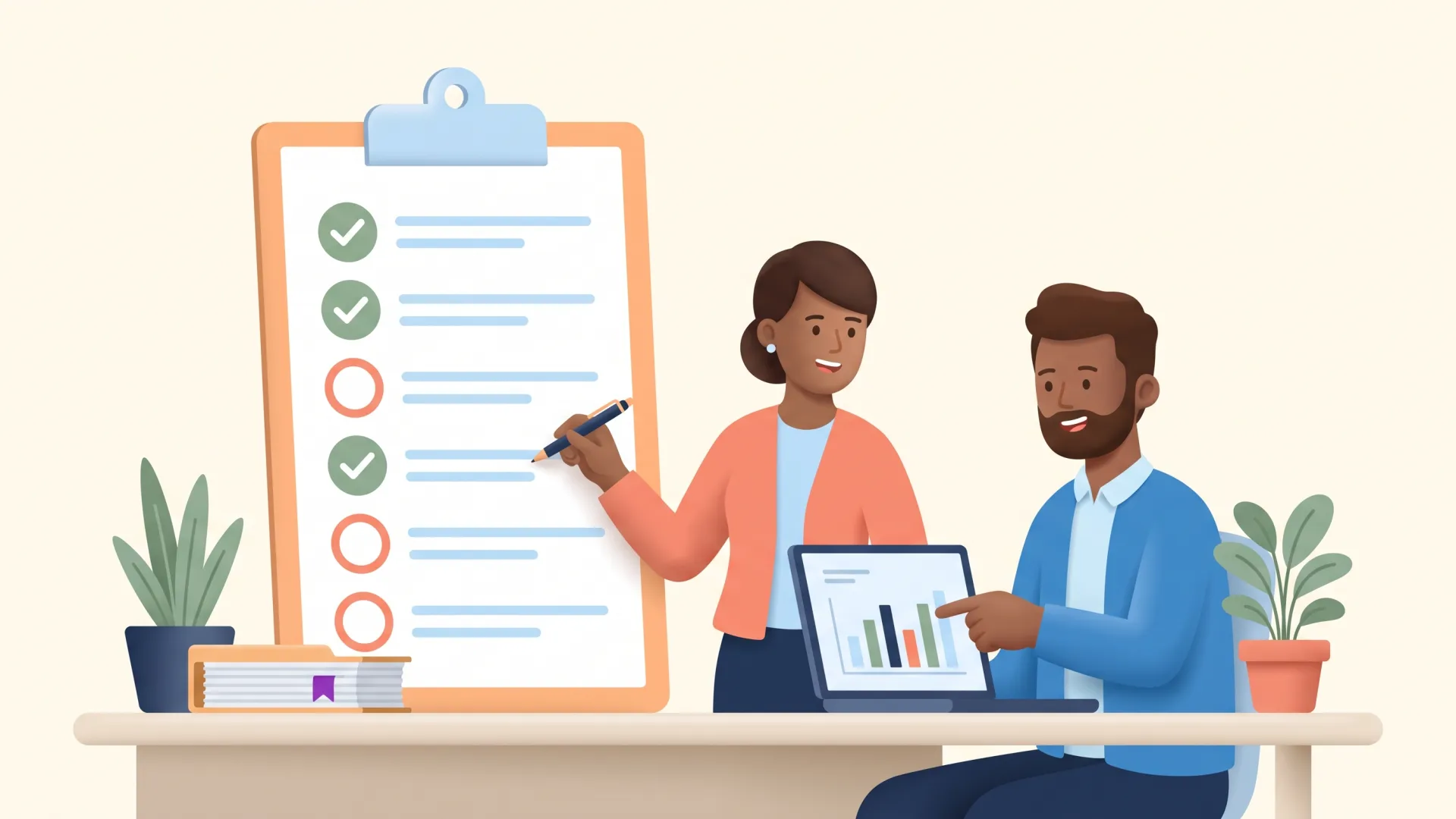
You start a nonprofit because the mission will not leave you alone.
Then suddenly you are not just the founder. You are also the fundraiser, the HR department, the bookkeeper, the event planner, and the one unclogging the office sink.
On paper, you have a board. In real life, it can feel like you are still carrying most of the weight yourself.
If that sounds familiar, you are not alone. Studies show fundraising and engagement are consistently the lowest rated areas of board performance, and most executive directors say their boards rely heavily on staff to fundraise.
The good news: your board really can become a thought partner and fundraising ally, not just a group that approves minutes and disappears until budget season.
In this article, we will walk through how growing nonprofits can shift from “nice board, but I am still exhausted” to “supported leader with a board that shows up.”
Why do so many founders feel alone, even when they have a board?
Before we talk solutions, it helps to name what is going on.
1. Board roles are fuzzy, especially in young organizations
Many small organizations start with a “friends and family” board that is legally required but not clearly oriented. The result is a lot of good intentions and not much structure.
Groups like the National Council of Nonprofits lay out clear board duties: care, loyalty, and obedience, which include stewardship of assets, advancing the mission, and governing in the best interest of the organization.
If those responsibilities are never translated into plain language expectations, you end up with what many founders describe:
“Our board is supportive, just not very involved.”
Our guide on Turn Your Board Into a Fundraising Force talks about this exact pattern, and how a lack of clarity keeps even well meaning boards on the sidelines.
2. Fundraising feels mysterious or scary to board members
Fundraising is routinely the weakest area of board performance. Very few CEOs give their boards an “A” in fundraising, and many say board members rely mostly on staff to bring in revenue.
It is not usually laziness. It is discomfort and confusion.
- “I do not know any rich people.”
- “I will help with anything except asking for money.”
- “I thought my job was governance, not fundraising.”
When no one names and normalizes those fears, they quietly run the show.
3. Founder syndrome makes it hard to let go
You care deeply. You have done almost everything yourself. That passion is a gift, but it can turn into what many authors call “founder’s syndrome” when decisions, relationships, and history all live in your head.
Common signs include:
- Board members deferring to the founder on every decision
- No clear succession or leadership development
- Board underperformance because “the founder will handle it”
Strong boards are actually one of the antidotes to founder syndrome. They provide real oversight, thought partnership, and shared leadership.
What does a board that truly has your back look like?
Let us define the target. A board that supports you well as a founder or ED has a few specific traits.
1. Clear lanes: governance, strategy, and support
In healthy organizations, the board does not run day to day operations. It:
- Sets direction with you
- Holds the mission and long term view
- Provides accountability and support for the executive
- Opens doors and lends credibility
You, as staff, manage programs, people, and execution.
When those lanes are clear, board meetings shift from “random updates” to “focused conversations on the right problems.”
2. Real ownership of fundraising, not just lip service
Strong boards:
- Give personally at a meaningful level for them
- Act as ambassadors in their networks
- Partner with staff on cultivation and stewardship, not just year end appeals
BoardSource and others recommend aiming for 100% board giving and clear expectations that fundraising is part of the job.
3. Emotional support and reality checks for you as a leader
When it is working, your board becomes:
- A sounding board for big decisions
- A guardrail against burnout and overcommitment
- A partner in prioritizing what your team can actually pull off
In other words, a supportive board helps you focus on what matters most and say a confident “not yet” to distractions.
How do you move from overwhelmed founder to supported leader?
Here is a practical path you can start now.
Rewrite the board role in plain language
Start with a one page “Board Member Agreement” that answers three questions:
- What is our mission and what are we trying to achieve in the next 12 months?
- What do we expect from every board member?
- How will we support you so you can succeed?
Pull from trusted sources and your own reality. For example, common expectations include:
- Attend at least 75% of meetings and key events
- Make a meaningful personal annual gift and include us in your top 3 charities
- Participate in at least one fundraising or friendraising activity each quarter
- Serve on at least one committee or working group
- Act as an ambassador, sharing our story in your networks
You can keep it conversational, not legalistic. The key is that everyone sees the same expectations, not a vague “help however you can.”
Have 1:1 reset conversations with every board member
This feels time consuming, but it is powerful.
Schedule a short call or coffee with each board member and use questions like:
- “What drew you to this mission in the first place?”
- “What kind of contribution feels most energizing for you?”
- “Which fundraising activities feel most realistic this year?”
- “What support or training would help you feel more confident?”
This is your chance to:
- Share the new one page role description
- Name that you are moving from “founder carries everything” to “shared leadership”
- Match people to roles that fit their strengths
If you are using a CRM like DonorDock, log these conversations as activities and add tags such as “Board – loves events” or “Board – great at thank you calls” so you can later assign the right stewardship tasks with a few clicks.
Create a simple board fundraising menu
Most board members do not need a lecture on why fundraising matters (hopefully). They need a menu of doable options and clear next steps.
Use a mix of intro, nurture, and ask activities. For example:
- Intro moves
- Invite three friends to a low pressure info session
- Share a specific story post on LinkedIn with a short personal note
- Nurture moves
- Make five handwritten notes after an event
- Record a 30 second thank you video to send to donors
- Ask moves
- Host a small house gathering with you to share the mission
- Make two personal calls during year end to invite renewed support
Draw from DonorDock’s resources on Why One Thank You Call Can Be Worth More Than a Thousand Emails and Show Donors the Impact Without a 20 Page Report to show board members that relational, human sized actions really matter.
Then, for each board member, agree on 1 or 2 menu items for the next quarter and track them as tasks in your CRM. Smart reminders and simple reports keep everything from living in your head.
Turn your next board meeting into a working session instead of a status update
A lot of board meetings are 90% reports and 10% conversation. No wonder people are disengaged.
Try this agenda shift at your next meeting:
- Open with a 5 minute mission story from a program or donor
- Keep routine business on a consent agenda
- Use most of the meeting for one or two big questions, such as
- “What does sustainable revenue look like for us in 3 years?”
- “How can each of us help grow our base of monthly donors?”
Invite board members to work in pairs or small groups, then share out. Capture concrete next steps and assign owners.
You can use DonorDock’s simple reporting to show key fundraising metrics, so the board sees not just dollars, but trends in retention, new donors, and major donor pipelines.
Build a quarterly rhythm of board check ins and wins
Boards, like donors, need consistent touchpoints.
Try a simple quarterly rhythm:
- Quarterly email update to the board
- 3 key numbers
- 2 short stories
- 1 clear “here is how you can help this quarter”
- Brief board chair and executive director check in
- What is going well
- Where support is needed
- Any concerns about workload or boundaries
- Short spotlight at each meeting
- Celebrate one board member’s recent contribution
- Share quick wins from the fundraising menu
How can tools help your board support you without adding more to your plate?
You do not need a separate system “just for the board.” You need one place where:
- Board member contact info, giving history, and strengths are visible
- Board fundraising tasks and follow ups are easy to assign and track
- Reports that boards care about can be pulled in minutes, not hours
That is where a lightweight CRM like DonorDock helps. It is built for growing nonprofits who need:
- Task tracking for board assigned outreach
- Simple dashboards you can bring into board meetings
- Automation that nudges you and your board at the right times, so nothing falls through the cracks
The goal is not to turn your board into a sales team. The goal is to give them just enough structure and support to be the kind of board you deserve: engaged, encouraging, and all in on the mission with you.
Bringing it home: you do not have to carry this alone
If you are a founder or small shop executive director, let me say this clearly.
You are allowed to ask more of your board. You are also allowed to give them better tools and clearer expectations so they can actually deliver.
you can:
- Rewrite your board member expectations in plain language
- Have reset conversations with each board member
- Launch a simple board fundraising menu
- Run one “working board meeting” with real strategy time
- Set up basic board tracking and reports in your CRM
None of that requires a giant governance project, just a few focused moves.
If you want a system that supports that shift, not one more thing to manage, DonorDock was built for you. It helps you cut through the noise, ease your mental load, and turn board goodwill into real partnership for your mission.
Start building meaningful donor and board relationships today. Schedule a DonorDock demo